

This website uses cookies so that we can provide you with the best user experience possible. Cookie information is stored in your browser and performs functions such as recognising you when you return to our website and helping our team to understand which sections of the website you find most interesting and useful.
2026.10.28
New value chains, the same basic question – what can we trust?
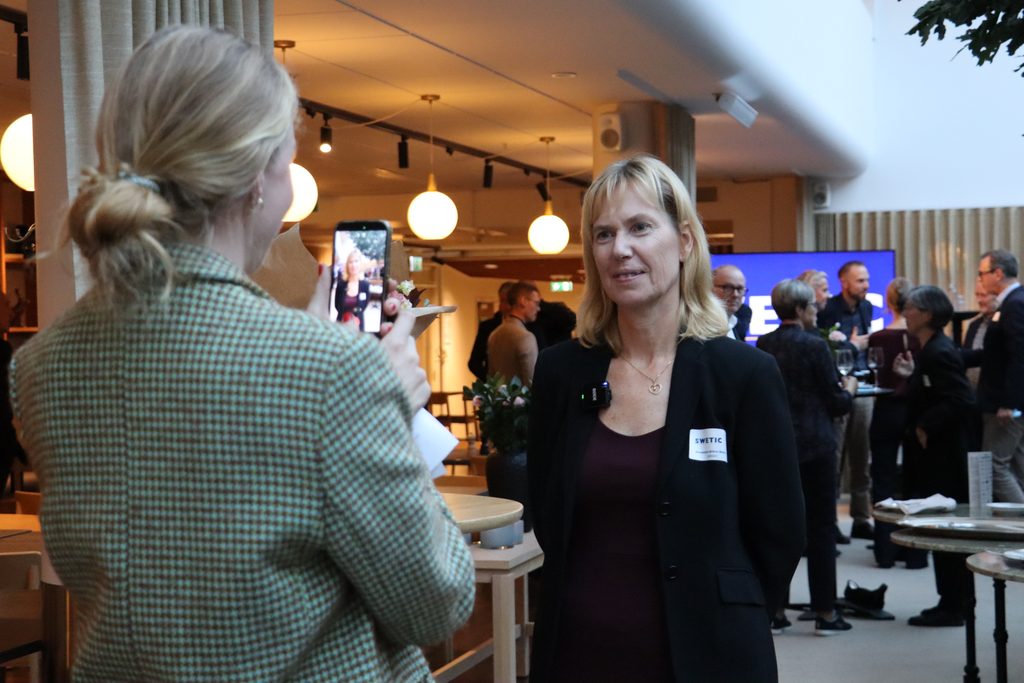
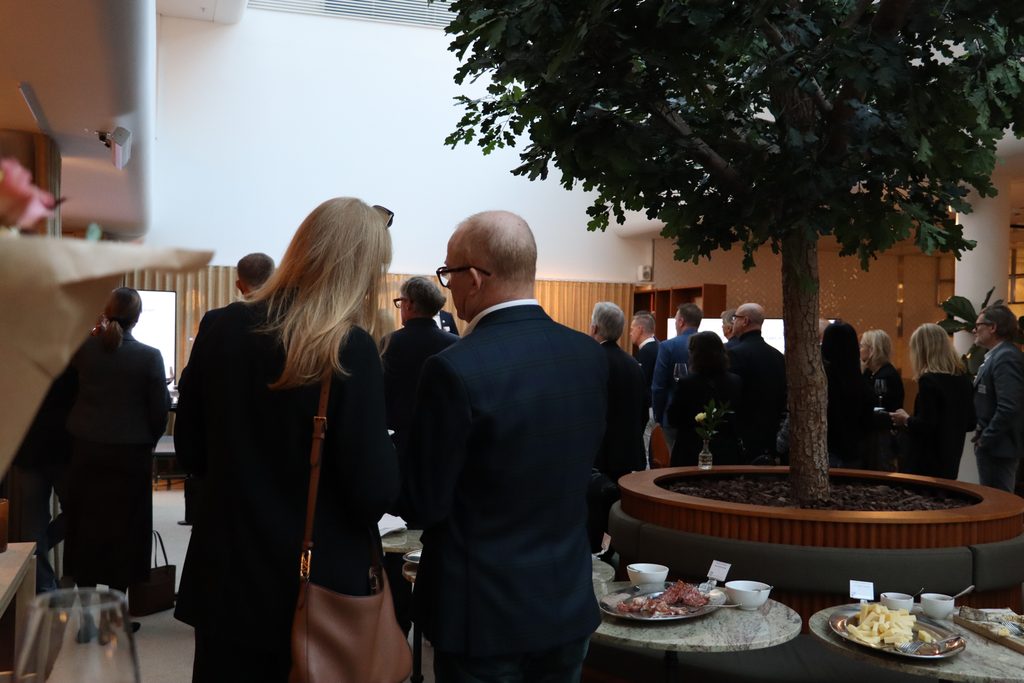
New value chains place new demands on auditing and security. When SWETIC celebrated its 30th anniversary, the industry, authorities and business came together to discuss how technology, expertise and collaboration can create trust in a changing society.
A product or service is increasingly part of a connected system, with software, cloud services and suppliers in multiple countries. At the same time, companies need to be able to substantiate data on the climate impact of products and show that requirements for, for example, safety and sustainability are met. They also need to be able to make decisions based on information that is shared throughout the value chain. This increases the need for reliable data and independent review.
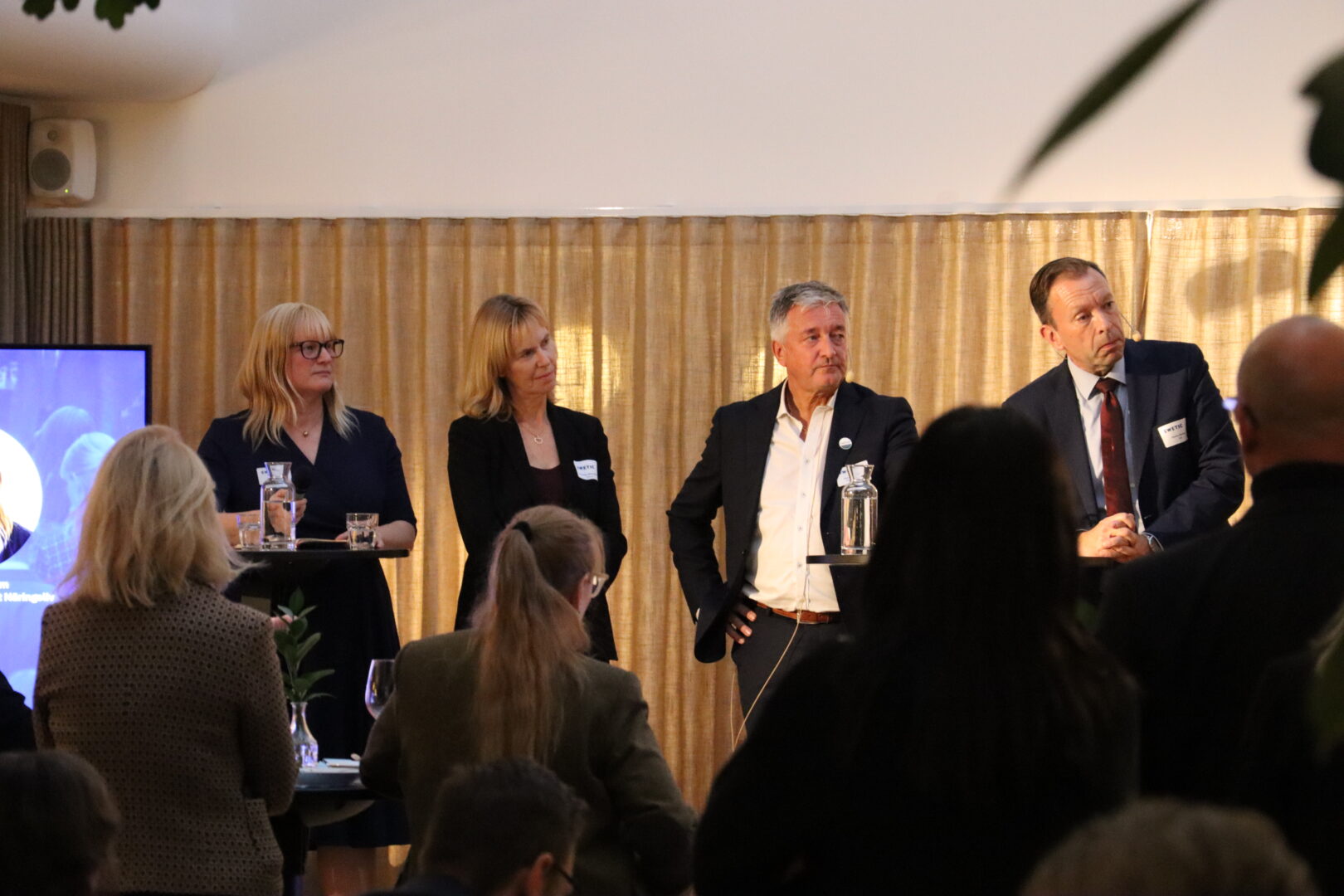
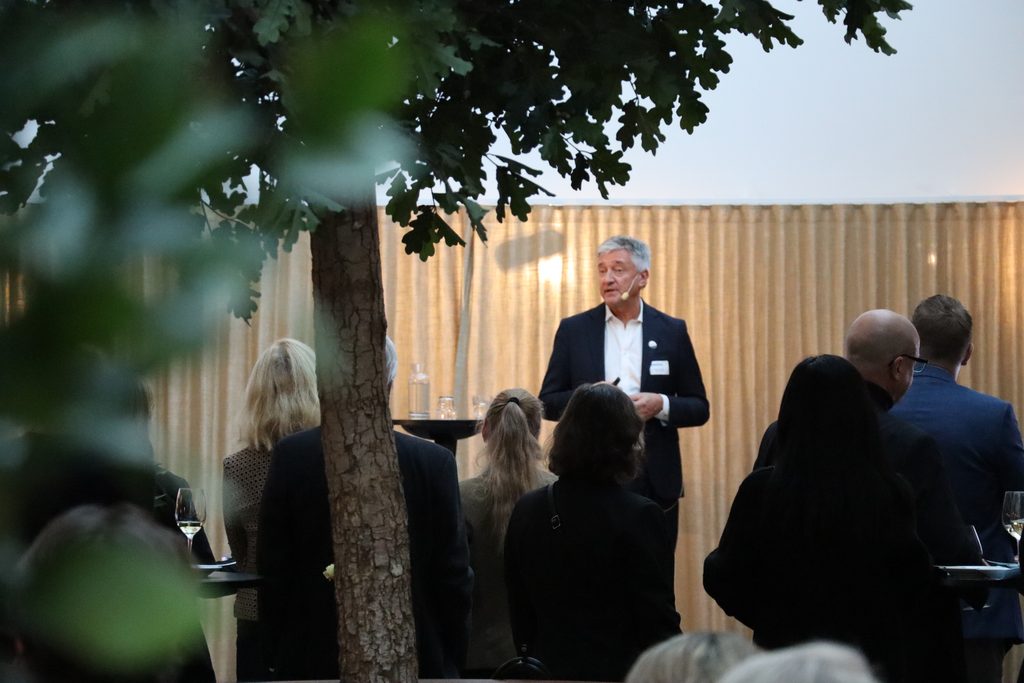
These were some of the questions when SWETIC brought together member companies, authorities and the business community. Chairman Jörgen Backersgård described how the industry has developed in step with society, but that the mission remains: to provide a basis for trusting that the requirements set are met.
New technology provides new opportunities to review
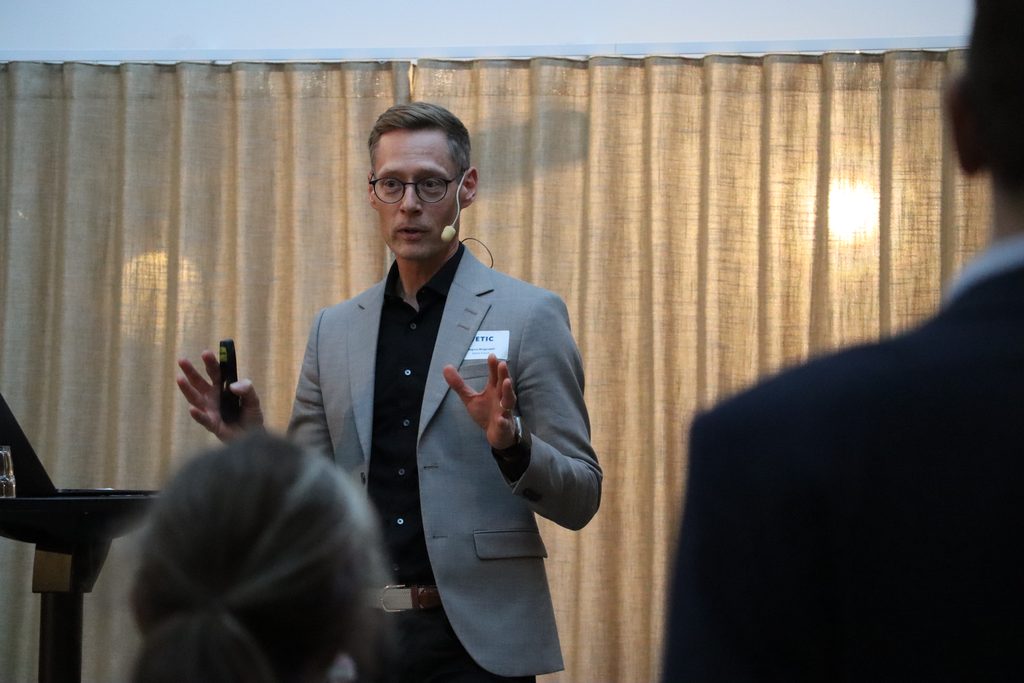
Digitalization is changing both what needs to be inspected and how the work can be done. For example, connected technology makes it possible to monitor how an elevator is working in real time. Magnus Bergendahl from Kairos Future raised the question of whether future inspections can also include the reliability of the monitoring itself.
Such working methods can provide a better basis for detecting deviations and prioritizing interventions. However, the benefit requires that the information is accurate and verifiable.
Reliable data strengthens business decisions
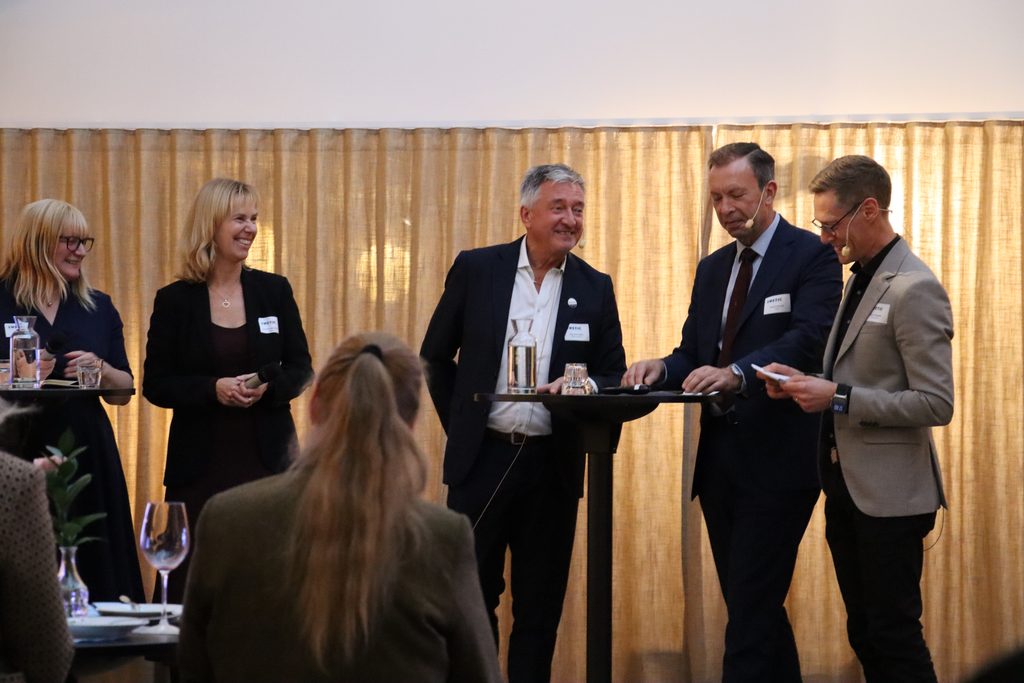
Thomas Hörnfeldt, Head of Sustainability at SSAB, stressed the importance of comparable life cycle assessments and verified climate performance data to create customer value and drive the transition forward. Independent review thus helps ensure that information can be used with greater confidence by both suppliers and customers.
At the same time, technology needs to be combined with human judgment. Jörgen Backersgård highlighted the need for technical understanding to assess whether the data and results are reasonable. Alexandra Wilton Wahren, Director General of Swedac, emphasized that the role of humans in trust remains even as technology continues to develop.
Collaboration shows the way forwardt
To develop the review, knowledge of technology, regulations and practical application needs to come together. Stina Wallström from the Confederation of Swedish Enterprise highlighted the trust and open dialogue between business, authorities and regulatory bodies as a Swedish strength. Through continued collaboration, the TIC industry can develop working methods that meet new needs. The benefits are concrete: better decision-making data for companies and authorities, safer products and greater credibility in the claims that consumers encounter.